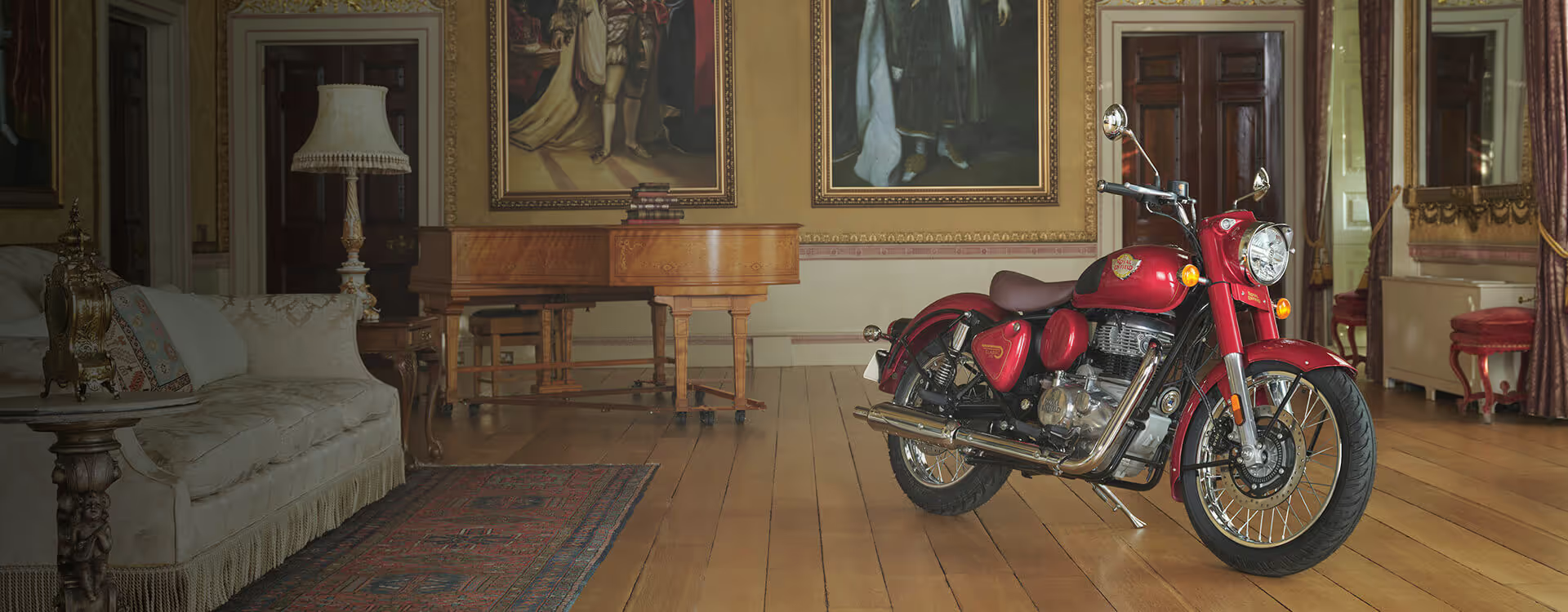
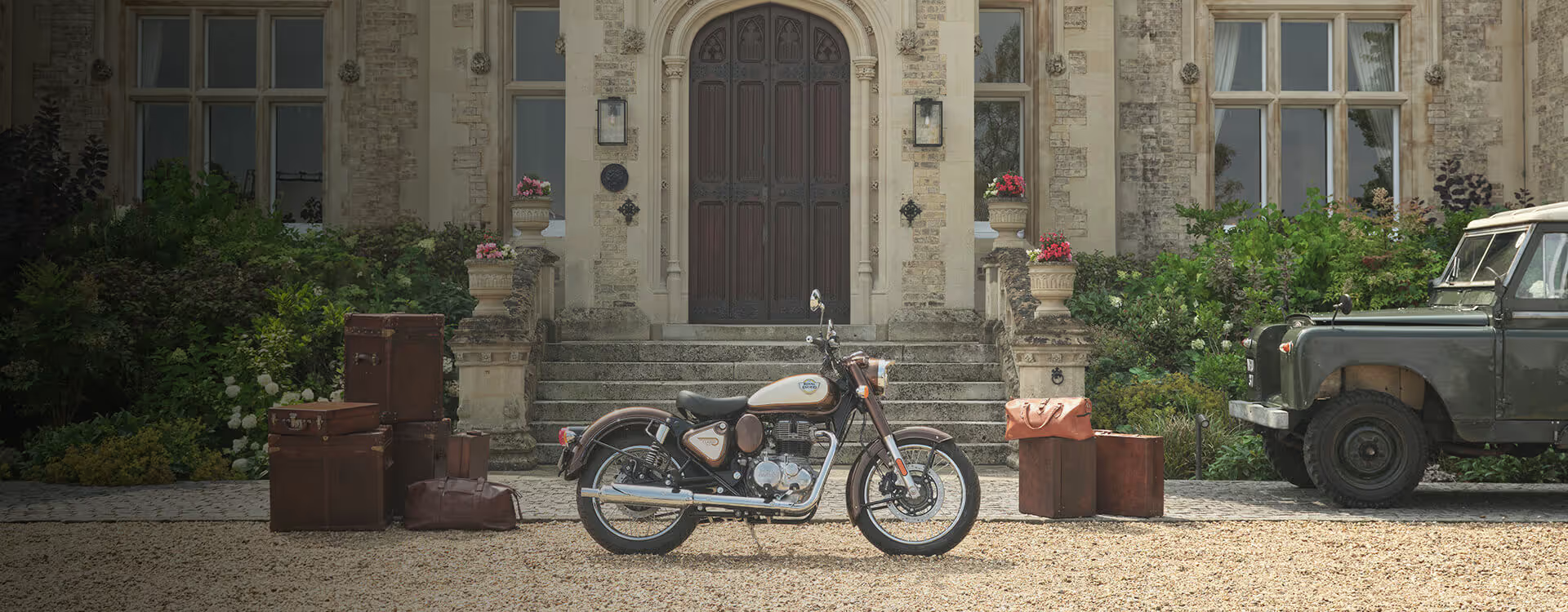
1948 — the silhouette that defined the segment
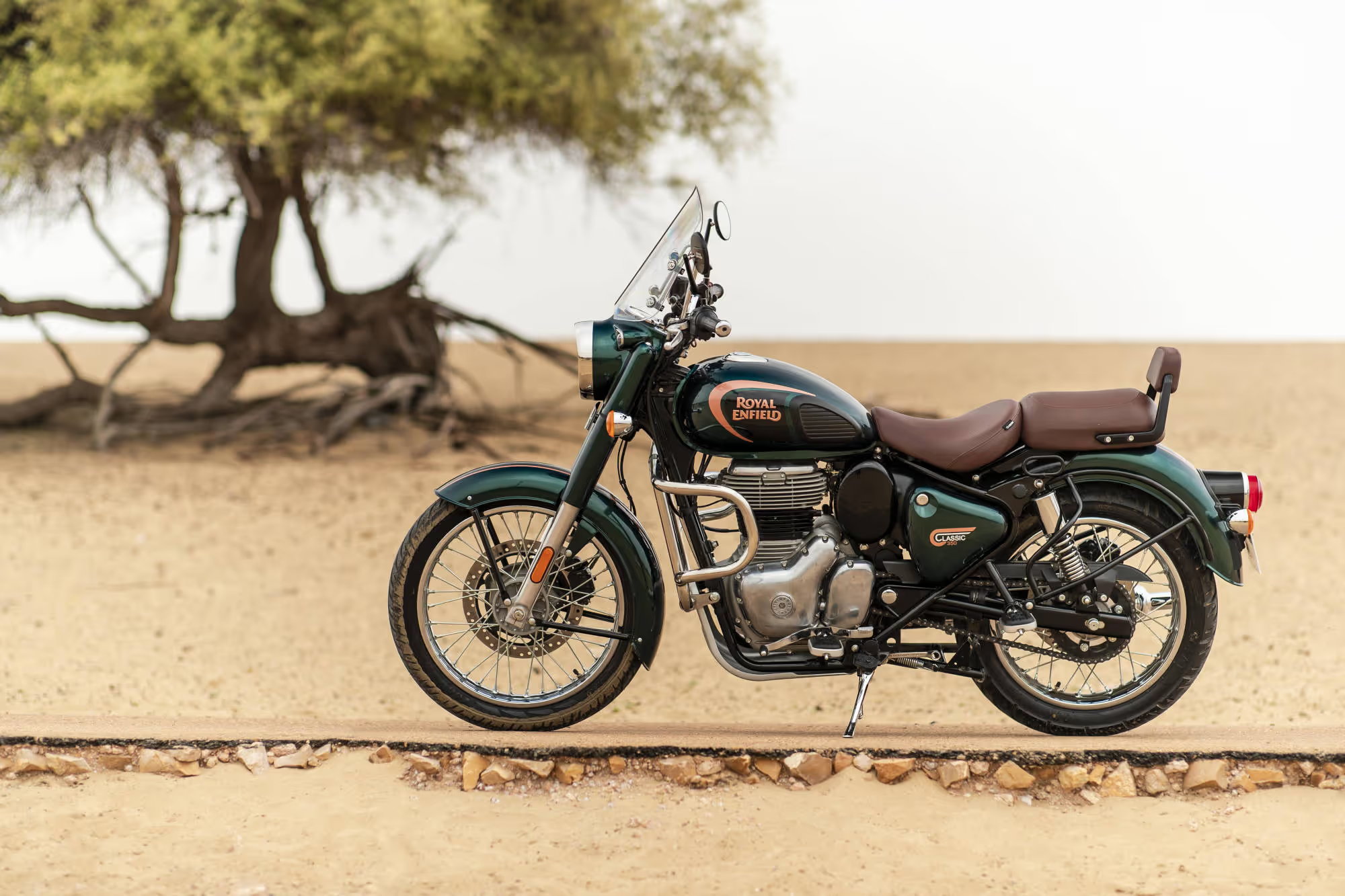
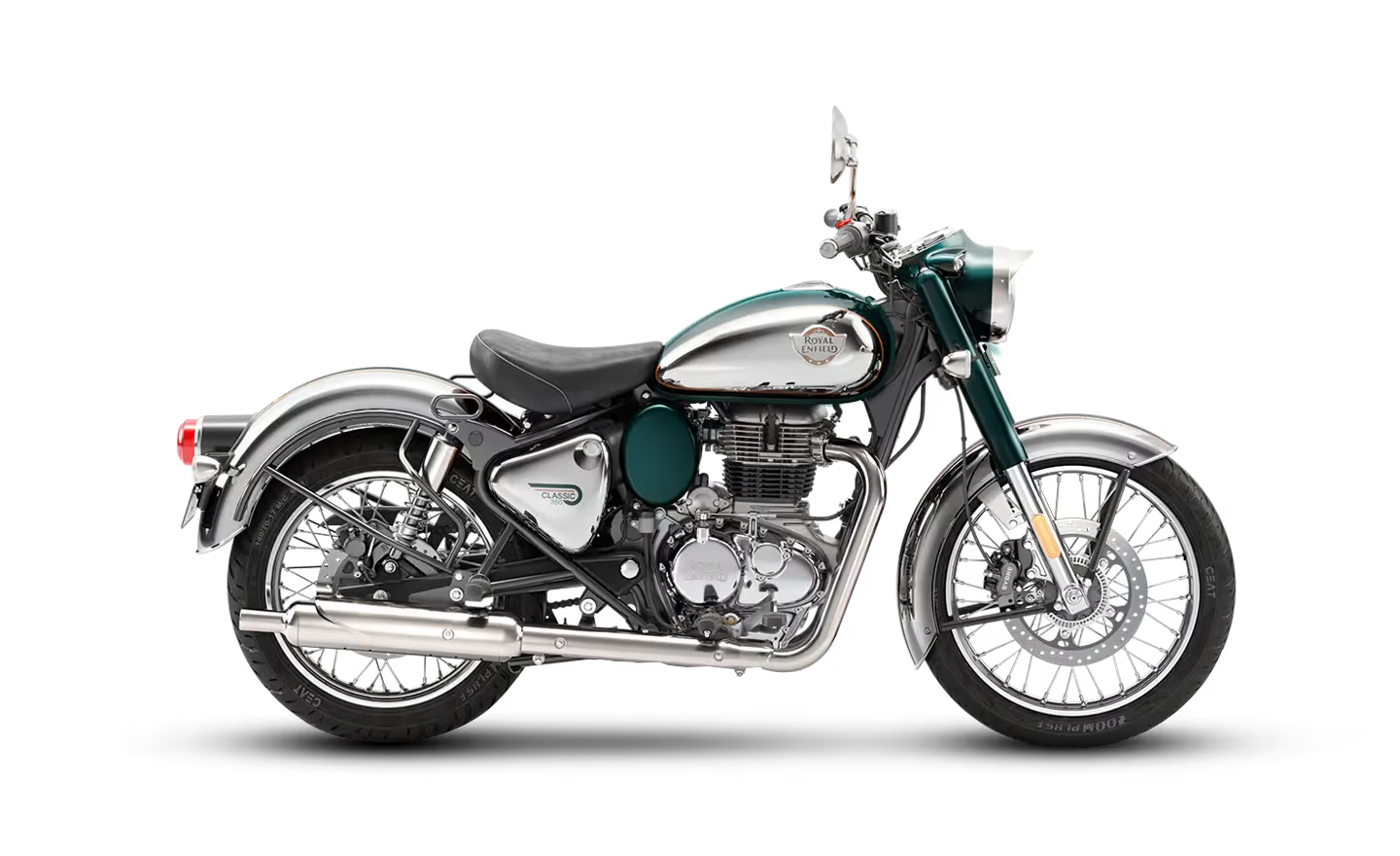
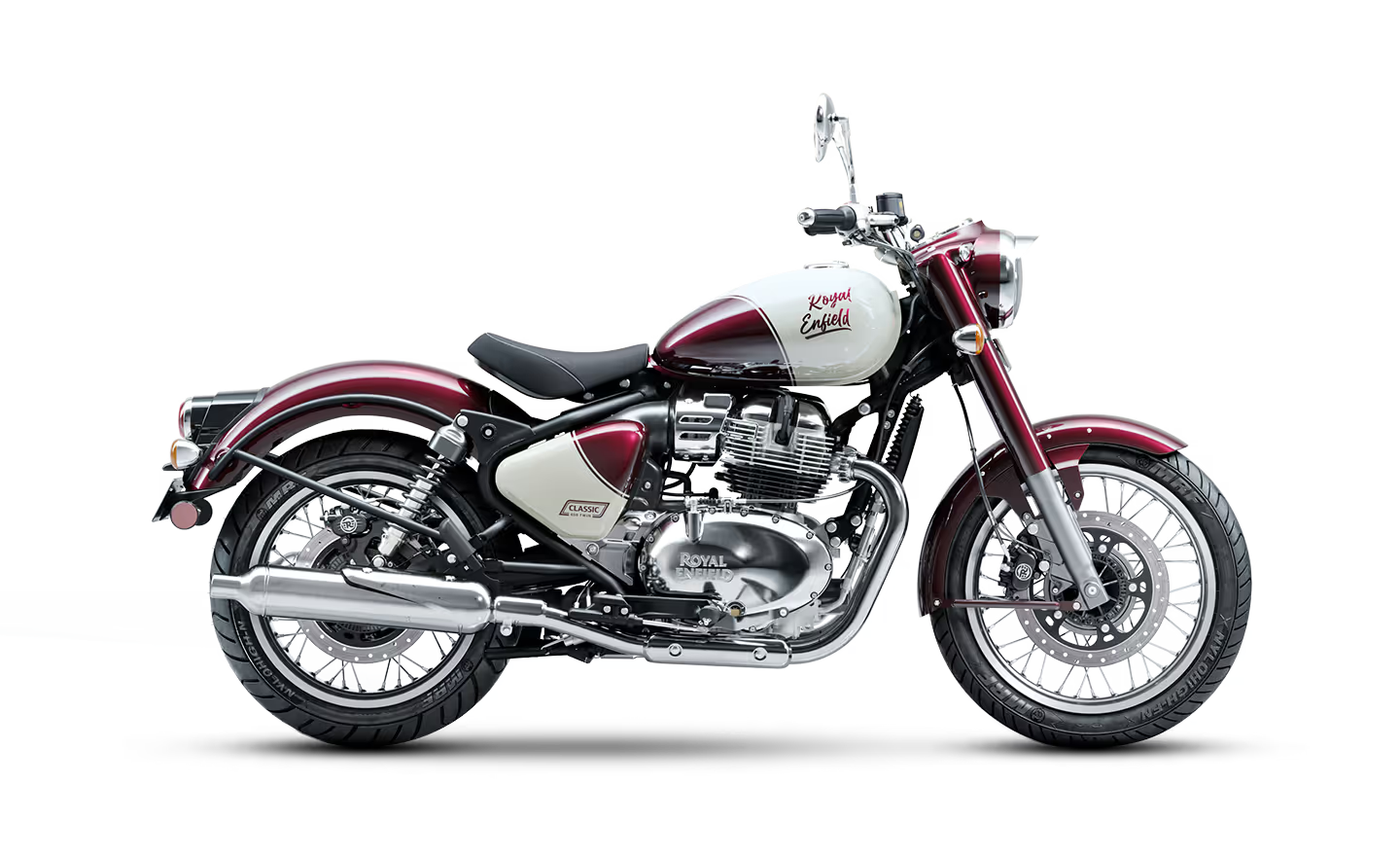
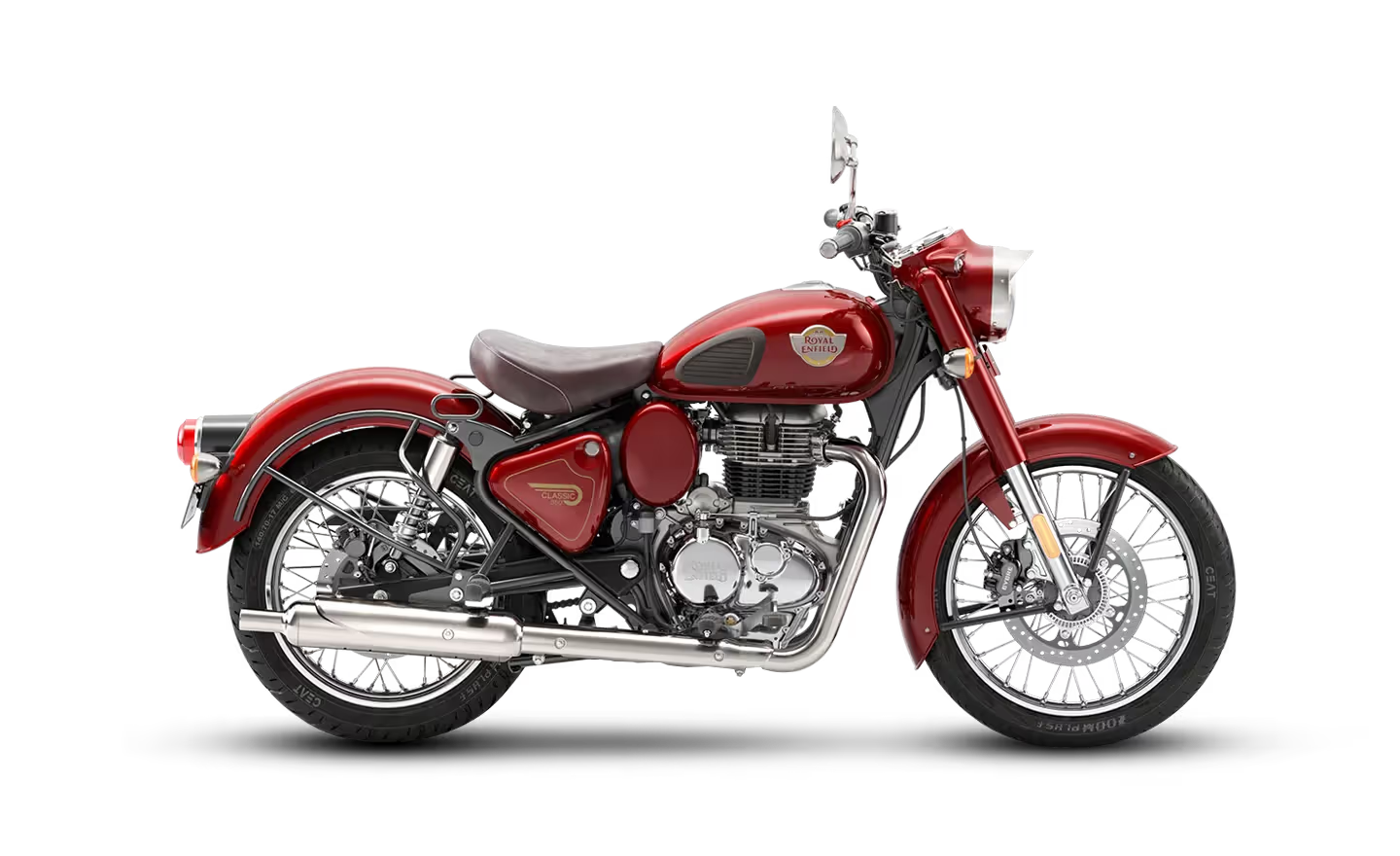
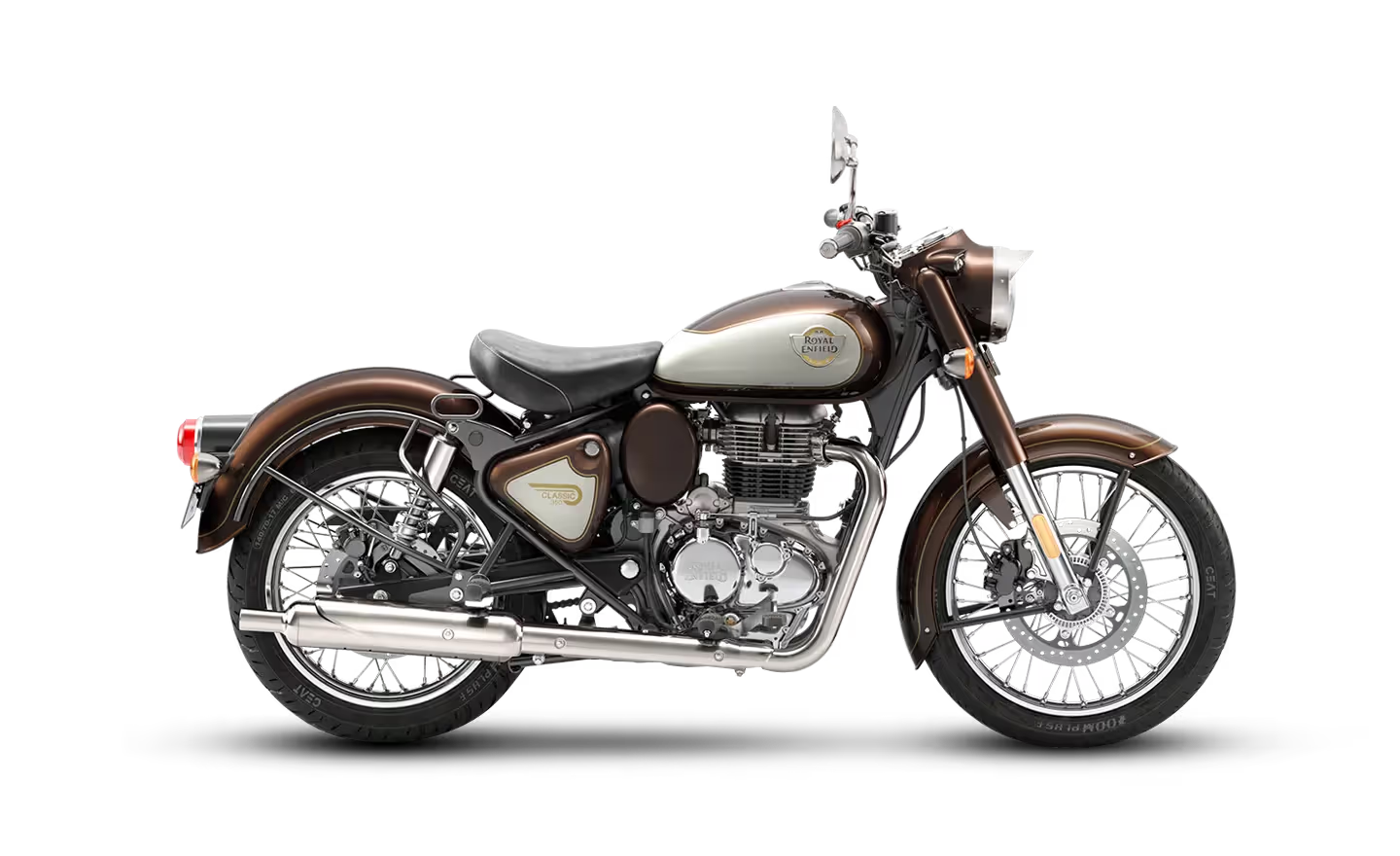
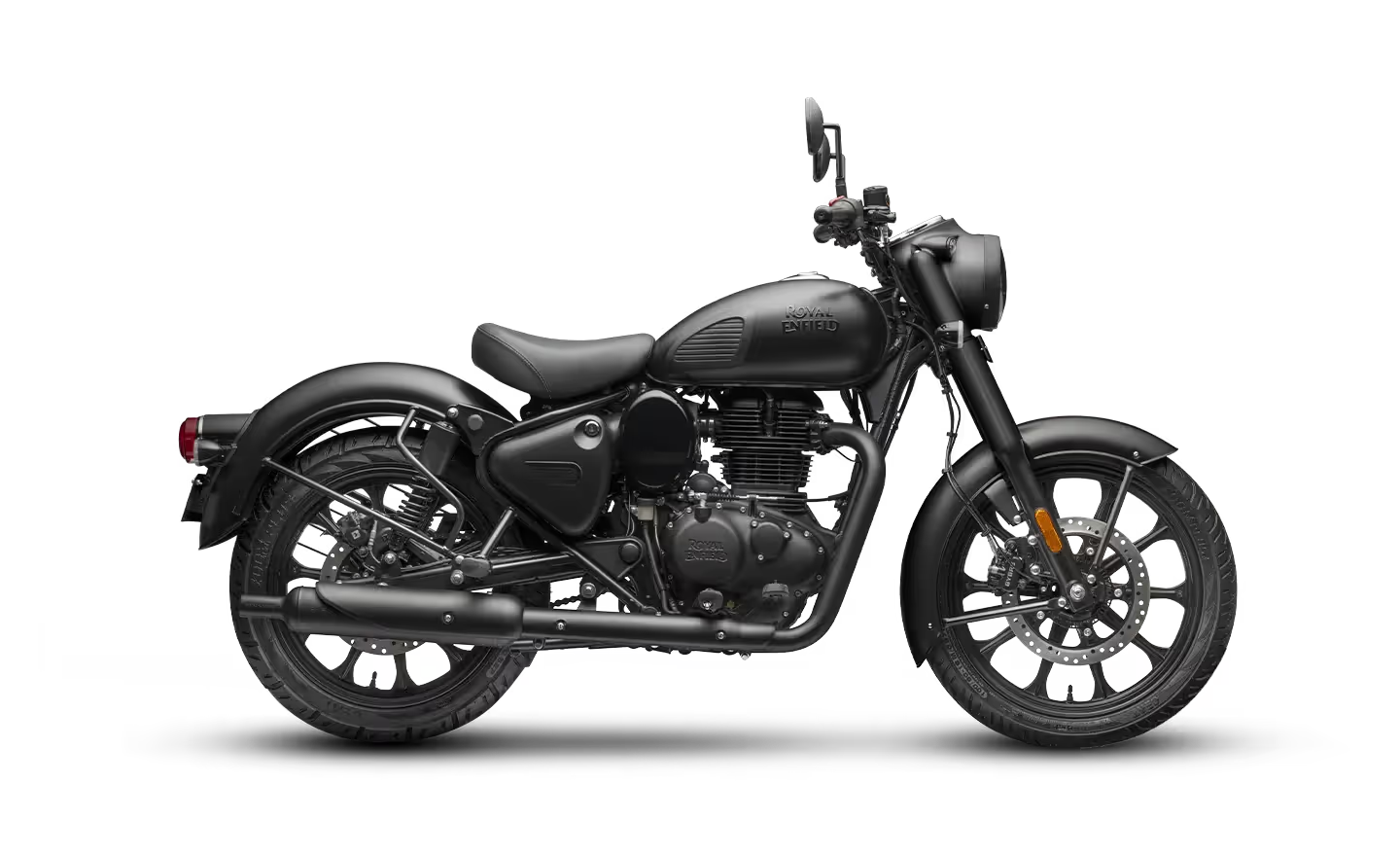
In 1901, the Enfield Cycle Company in Redditch produced its first motorcycle. However, the true pedigree of today's Classic 350 begins in 1948, when Royal Enfield introduced the Bullet 350 with a silhouette that defined the term "classic motorcycle." A teardrop tank, round headlight, wire-spoke wheels, and a solo seat. A design language that hasn't needed to change in nearly eight decades.

Details that reveal authenticity
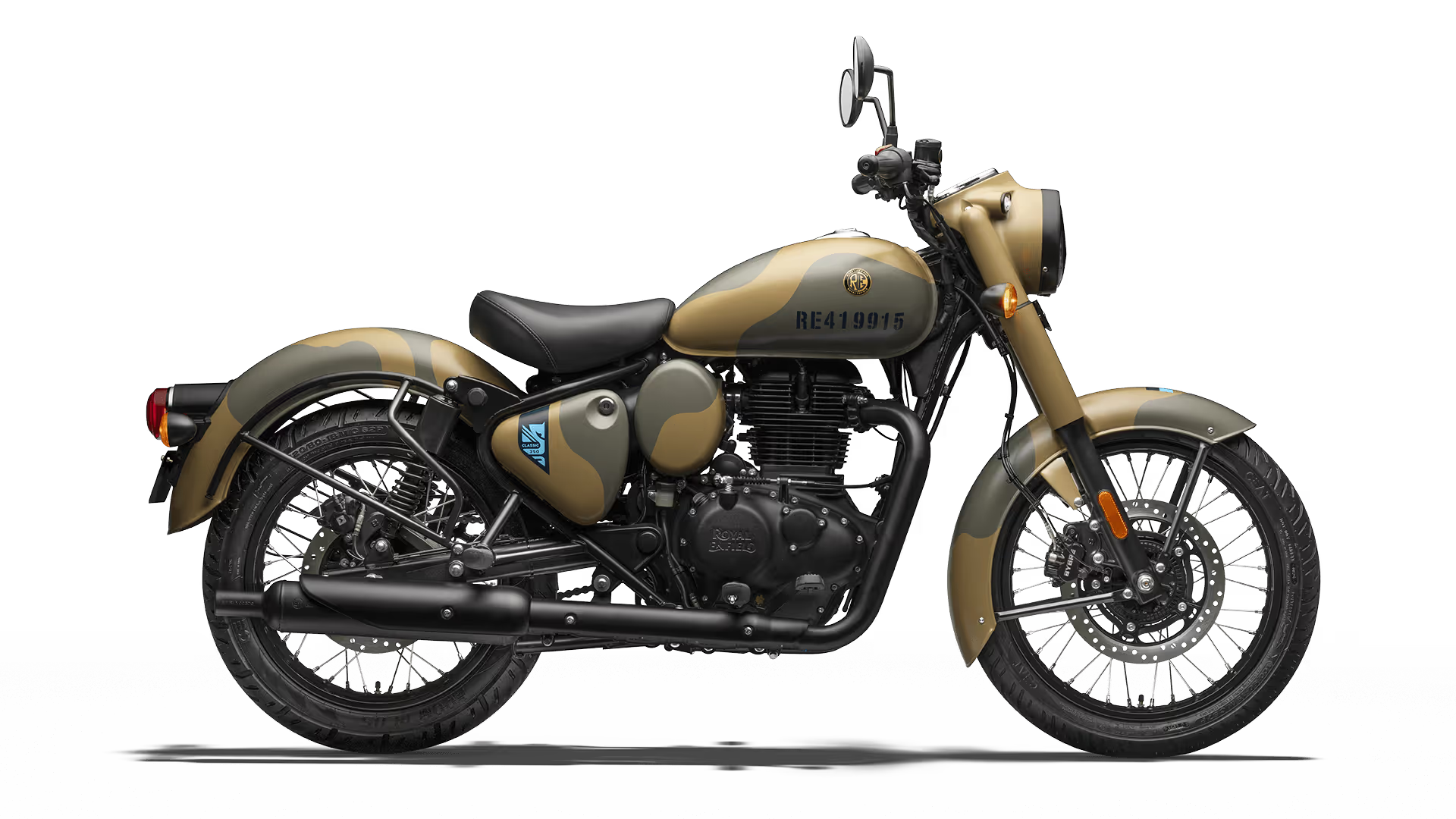
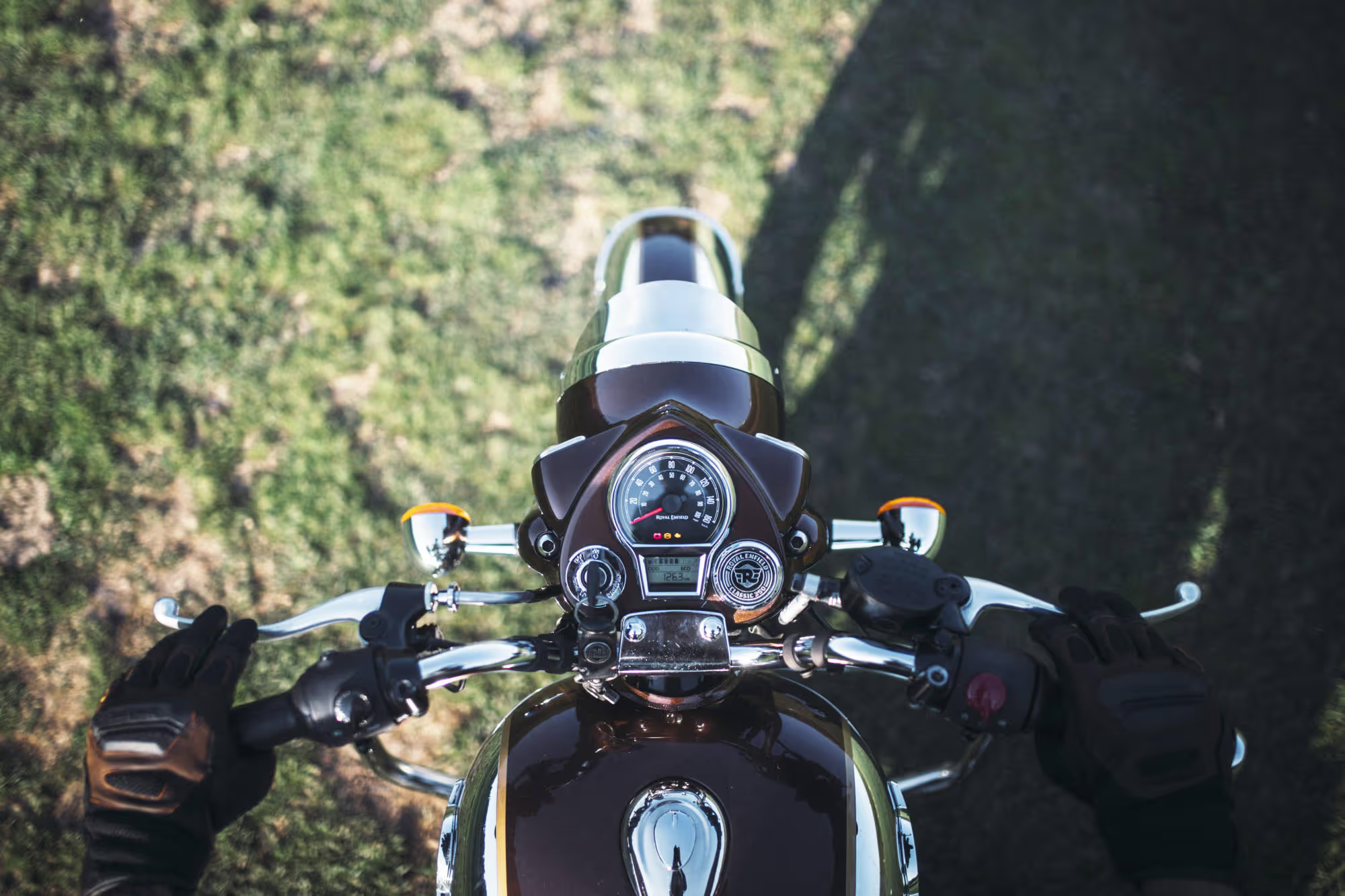
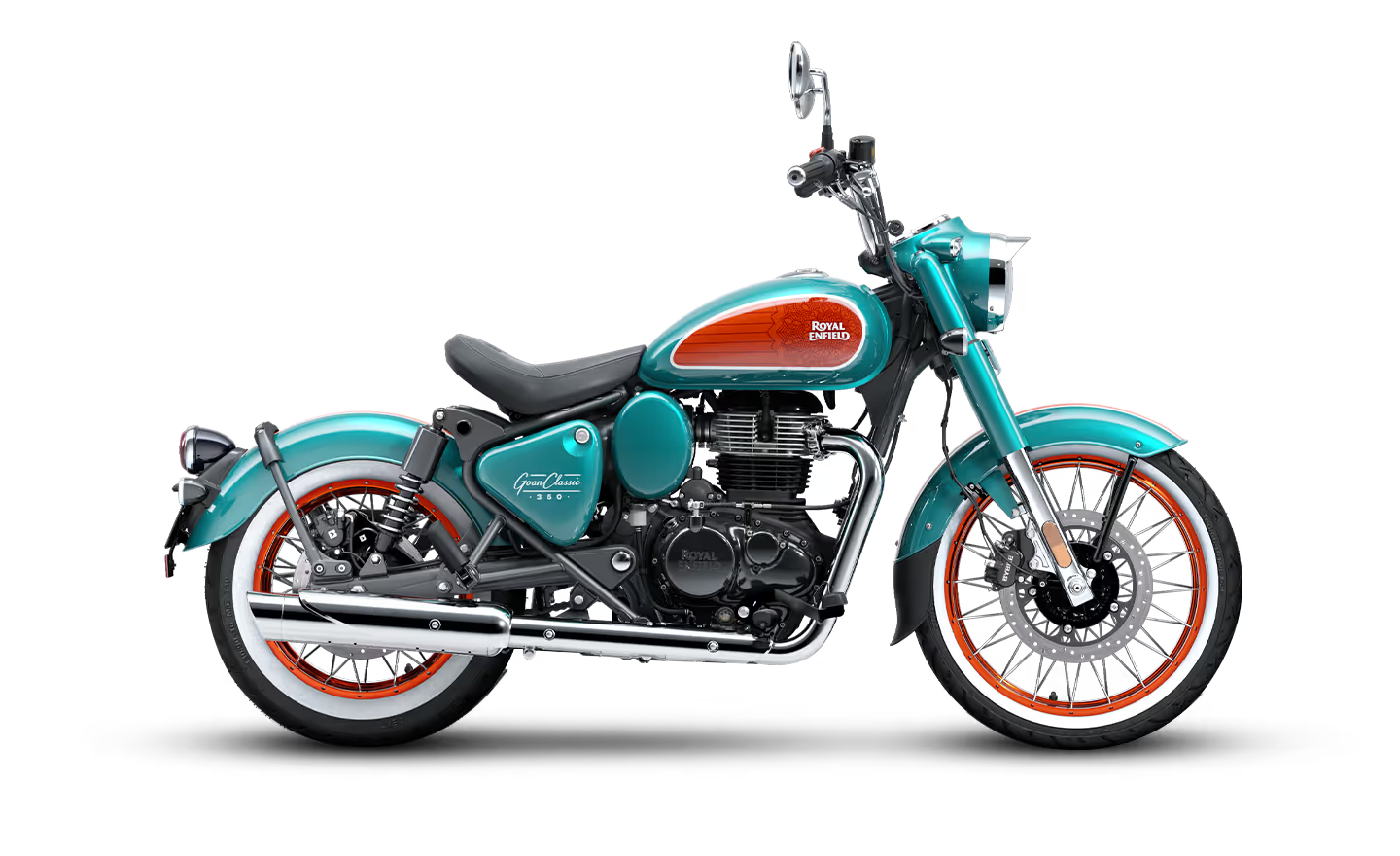
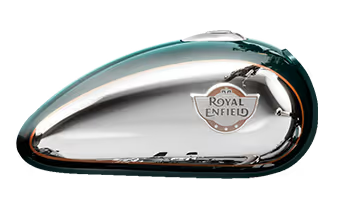
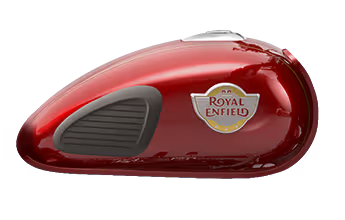
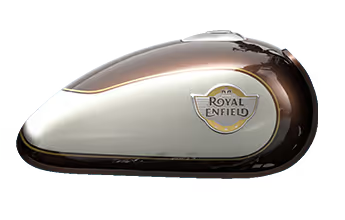
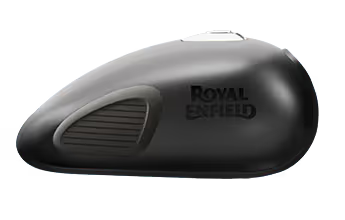
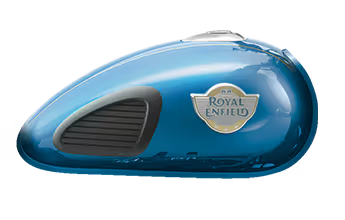
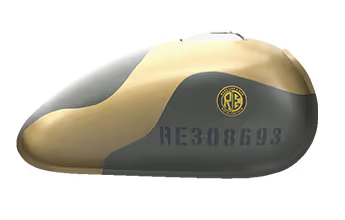
A teardrop tank with rubber knee pads. A round headlight with a chrome nacelle. 19-inch and 18-inch wire-spoke wheels. A solo seat with spring suspension. The logo on the tank is a polished metal badge, not a printed decal. A small detail that sets the Classic 350 apart from mass-produced machines. The bike's proportions have shifted by only a few millimeters over the decades.

A sound that sets the rhythm
The powertrain is an air-oil cooled single-cylinder engine from the J-platform. Its long-stroke architecture—where the stroke is longer than the bore—defines the entire riding character: no peaky power at the top of the rev range, but linear pull from low RPMs. Deep, rhythmically clean pulses and the mechanical click of the valves. This isn't an engine for redlining. It's an engine you want to listen to.
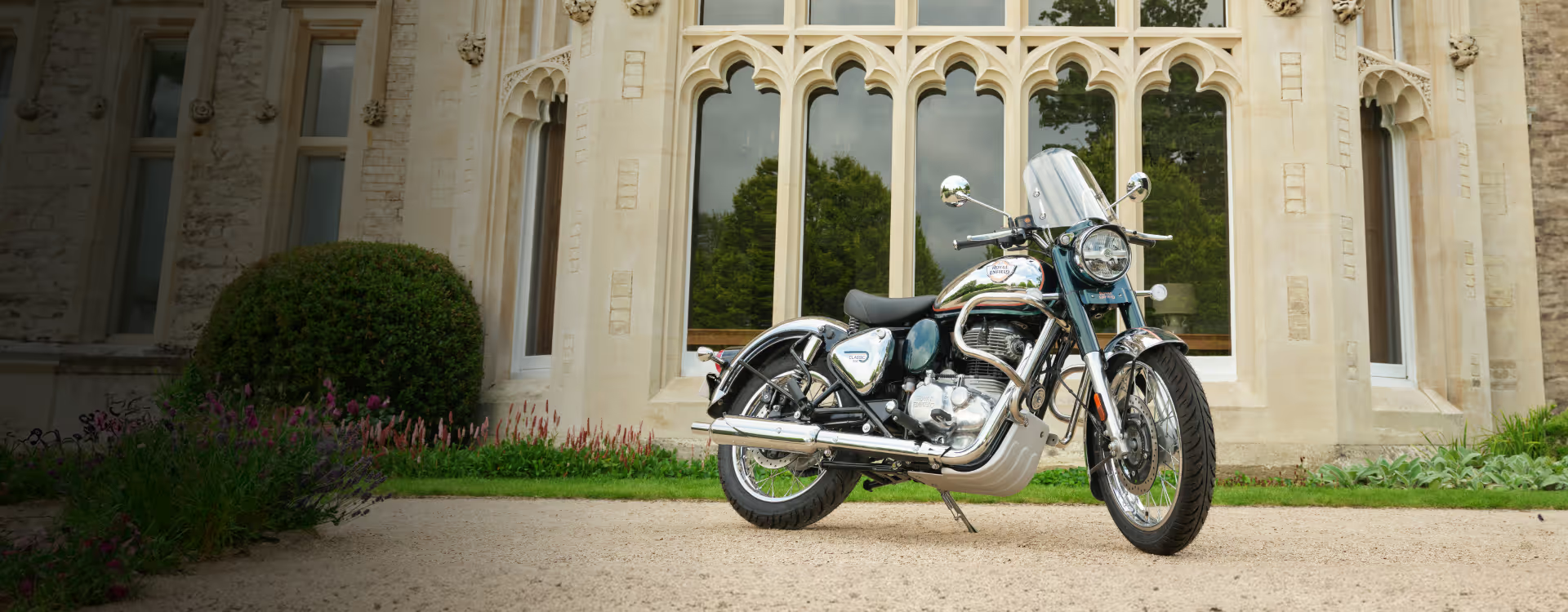
Choosing the scenery, not the shortcut
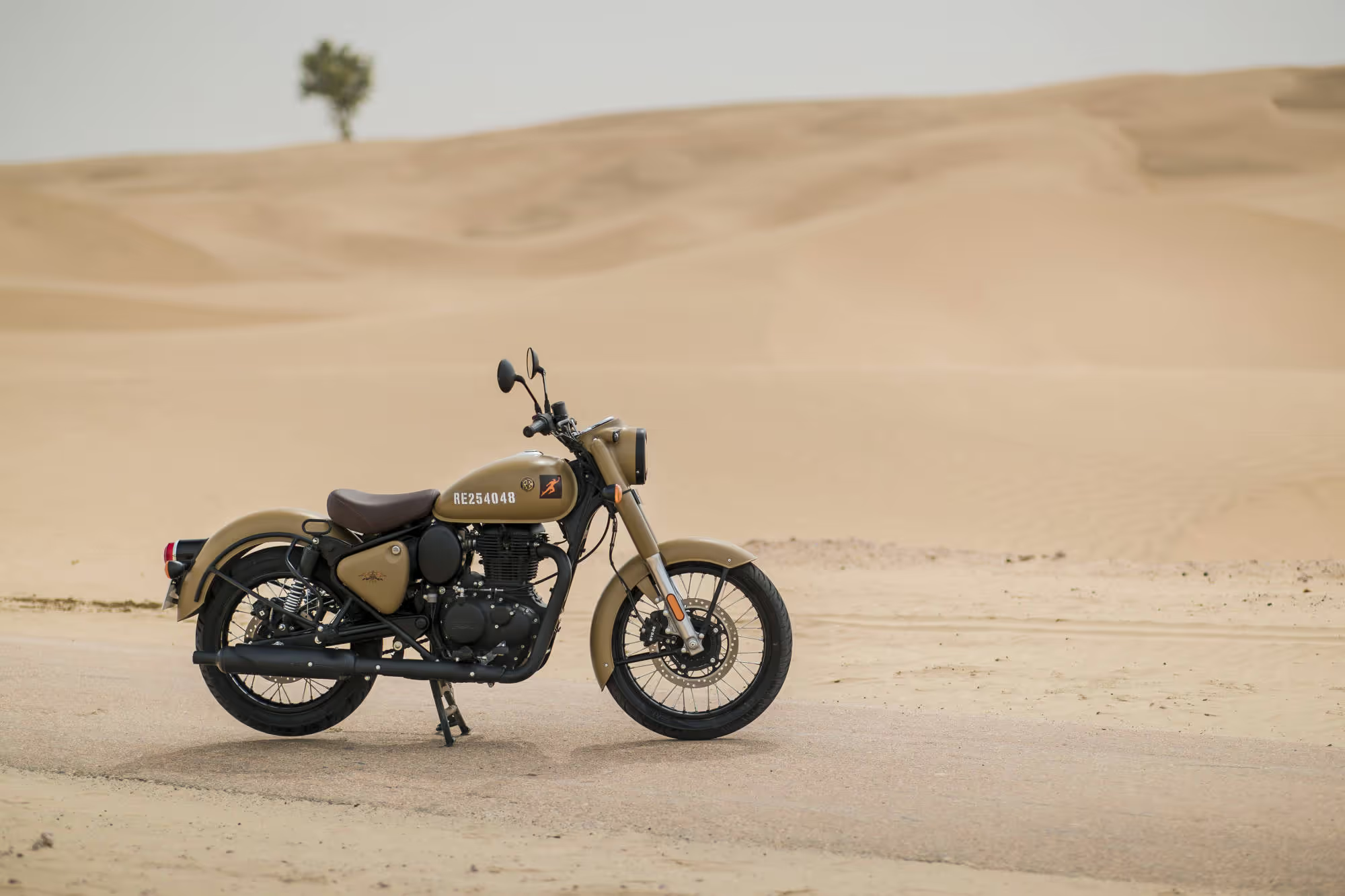
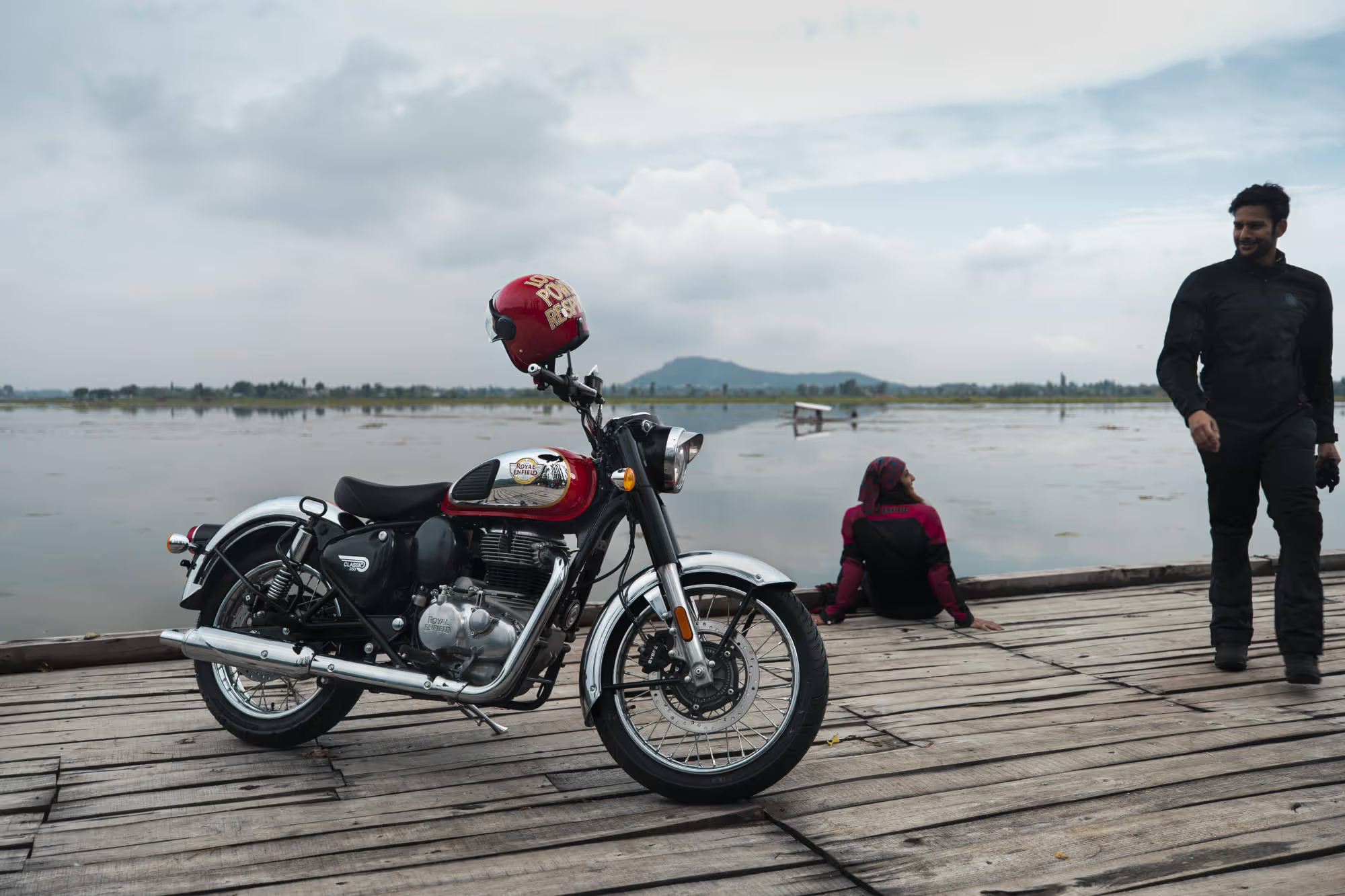
The Classic 350 won't impress you with acceleration or top speed. It wins you over in other ways. The chassis geometry is tuned for stability: a long wheelbase, wide handlebars, and predictable cornering. The typical owner isn't a racer or someone just commuting to work. It's a rider who chooses a route based on the scenery, not the time saved. A morning loop around the Brdy hills. A weekend ride through the Šumava mountains. A trip to the family cottage.
.avif)